The creative industry has always been a space for dreamers, risk-takers, and innovators. From painters to writers, designers to filmmakers, the call of creativity has long been about harnessing human imagination to tell stories, provoke thought, and inspire change. But today, that landscape is shifting. Artificial intelligence (AI) is no longer a futuristic concept—it’s here, reshaping what it means to create, collaborate, and even compete in creative fields.
For many, this presents a dilemma: Does AI threaten the role of human creativity, or does it open doors to new forms of artistic expression? The truth is both, and the key lies in understanding how to co-create with AI rather than compete against it.
In this article, I’ll explore what it means to work creatively alongside AI, the opportunities for newcomers and veterans in the creative industry, practical steps for upskilling, and how to harness emerging tools to stand out in this evolving space.
The AI Revolution in Creativity
AI is transforming creative work in ways that were unimaginable just a decade ago. We see AI composing music, generating visual art, drafting copy, and even scripting short films. Platforms like MidJourney, DALL·E, and Runwayallow artists to visualize ideas instantly. Writers are experimenting with ChatGPT or Sudowrite to overcome writer’s block or explore alternative narratives. Musicians are blending AI-generated sounds with live instruments, and fashion designers are generating conceptual designs in minutes.
Yet, there’s a misconception that AI will replace creative humans entirely. In reality, AI functions best as a collaborator. It can provide raw material, automate repetitive tasks, and accelerate experimentation—but it cannot replicate the intuition, empathy, and storytelling sensibility that define human creativity. In other words, AI can help you produce more efficiently, but your unique perspective remains irreplaceable.
Why Co-Creation Matters
Co-creation with AI is more than a technical skill—it’s a mindset. Instead of viewing AI as a competitor, creative professionals can approach it as a partner. Consider these examples:
- Writers: AI can suggest alternative phrasing, generate dialogue, or brainstorm plot twists. Writers maintain control over tone, voice, and narrative arc, using AI as a creative sounding board.
- Visual Artists: AI image generators can quickly translate ideas into visuals, which artists can refine or reinterpret, dramatically accelerating the design process.
- Musicians: Tools like AIVA or Soundful can compose original musical motifs. Artists then shape those motifs, adding emotion, rhythm, and nuance that AI alone cannot capture.
By embracing co-creation, you not only expand your creative toolkit but also increase your marketability. Companies and studios are increasingly looking for creators who understand AI as part of the workflow, not just as a curiosity.
Breaking Into the Industry: Opportunities and Challenges
Entering the creative industry has always required skill, persistence, and visibility. Today, AI adds a new layer of both opportunity and challenge.
Opportunities
- Efficiency and Scale: AI allows solo creators to accomplish what previously required a team. Short films, animation, or social media campaigns can be produced faster, lowering barriers to entry.
- Experimentation: AI-generated ideas help break creative blocks and encourage exploration of new styles and genres.
- Collaboration Across Borders: Cloud-based AI tools make it possible to co-create with professionals worldwide, from illustrators to sound engineers.
- Emerging Roles: New career paths are emerging, including AI prompt engineering, AI-assisted design, and AI creativity consulting.
Challenges
- Skill Gap: Not all creators are familiar with AI tools, which can limit opportunities if they don’t adapt quickly.
- Ethical Concerns: Issues of authorship, copyright, and originality arise when using AI-generated content.
- Market Saturation: As AI makes content creation faster, the market becomes crowded with semi-polished works, increasing the importance of unique human input.
The key is to embrace adaptability. Those who combine human creativity with AI fluency are poised to lead, while those who resist may find themselves left behind.
Upskilling for the AI-Enhanced Creative Industry
Upskilling is critical to thriving in this AI-driven landscape. Here’s a roadmap to start:
1. Learn the Tools
Familiarity with AI creative tools is essential. Examples include:
- Text & Writing: ChatGPT, Sudowrite, Jasper AI
- Visual & Design: MidJourney, DALL·E, Canva Magic Studio, Runway
- Music & Audio: AIVA, Soundful, Endel
- Video & Animation: Pictory, Runway, D-ID
Spend time experimenting, not just learning instructions. The creative advantage comes from knowing how to ask the right questions, or “prompt engineering,” to get AI to generate outputs that align with your vision.
2. Study Human-Centric Skills
AI is strong at patterns and replication, but weak at empathy, storytelling, emotion, and critical thinking. Enhancing these uniquely human skills will differentiate your work. Consider courses in:
- Narrative writing
- Emotional intelligence
- Cultural studies
- Design thinking
3. Join Creative Communities
Engage with groups exploring AI in creativity. Online communities and forums (Reddit, Discord, LinkedIn groups) provide feedback, inspiration, and collaboration opportunities.
4. Build a Portfolio
Even with AI assistance, your portfolio should reflect your creative identity. Include projects where AI helped, but highlight how your decisions shaped the final work. This shows prospective employers or clients that you understand the tool, but you are the visionary.
Choosing Your Niche: Safe and Emerging Industries
While AI affects every creative sector, some fields are particularly fertile for co-creators:
Safe / High Opportunity Industries
- Advertising & Marketing: AI-generated visuals, copy, and campaign ideas are increasingly common. Human creativity drives strategy.
- Video Games & Animation: Combining AI-generated assets with human storytelling creates immersive experiences.
- Content Strategy & Social Media: AI can draft ideas, but human curation ensures relevance, tone, and engagement.
- Education & eLearning: Interactive, AI-assisted content requires human oversight and pedagogy.
Industries Facing Disruption
- Stock Photography: AI-generated images compete with traditional photographers.
- Basic Illustration: Rapid AI generation can commoditize simple designs.
- Scriptwriting for low-budget content: AI can produce drafts, reducing the need for beginner writers in entry-level projects.
The takeaway? Focus on industries where human judgment, storytelling, and ethical oversight remain critical.
The Power of Collaboration: Stories of Success
Consider how creators are already leveraging AI:
- Musicians have released AI-assisted tracks, blending human vocals with AI-generated instrumentation.
- Authors use AI to brainstorm, edit, or create companion narratives for complex novels.
- Visual artists showcase hybrid works where AI generates backgrounds and humans add emotion, texture, and meaning.
These stories underscore that success comes not from replacing human effort, but amplifying it.
Ethical Considerations
AI-assisted creation raises questions:
- Who owns the copyright of AI-generated content?
- How do we avoid bias and ensure inclusivity?
- How do we acknowledge the AI’s role without diluting human contribution?
Creative professionals need literacy in AI ethics, ensuring their work remains authentic, fair, and socially responsible.
Tips for Aspiring AI-Co-Creators
- Start Small: Experiment with side projects or social media posts using AI.
- Be Curious: Test, fail, learn — AI responds to creativity and experimentation.
- Document Your Process: Show clients or employers how AI helped, but make your decision-making visible.
- Focus on Narrative and Emotion: Let AI handle speed and replication; you handle meaning.
- Network: Collaborate across disciplines — AI allows cross-border partnerships in real time.
The Future is Co-Creation
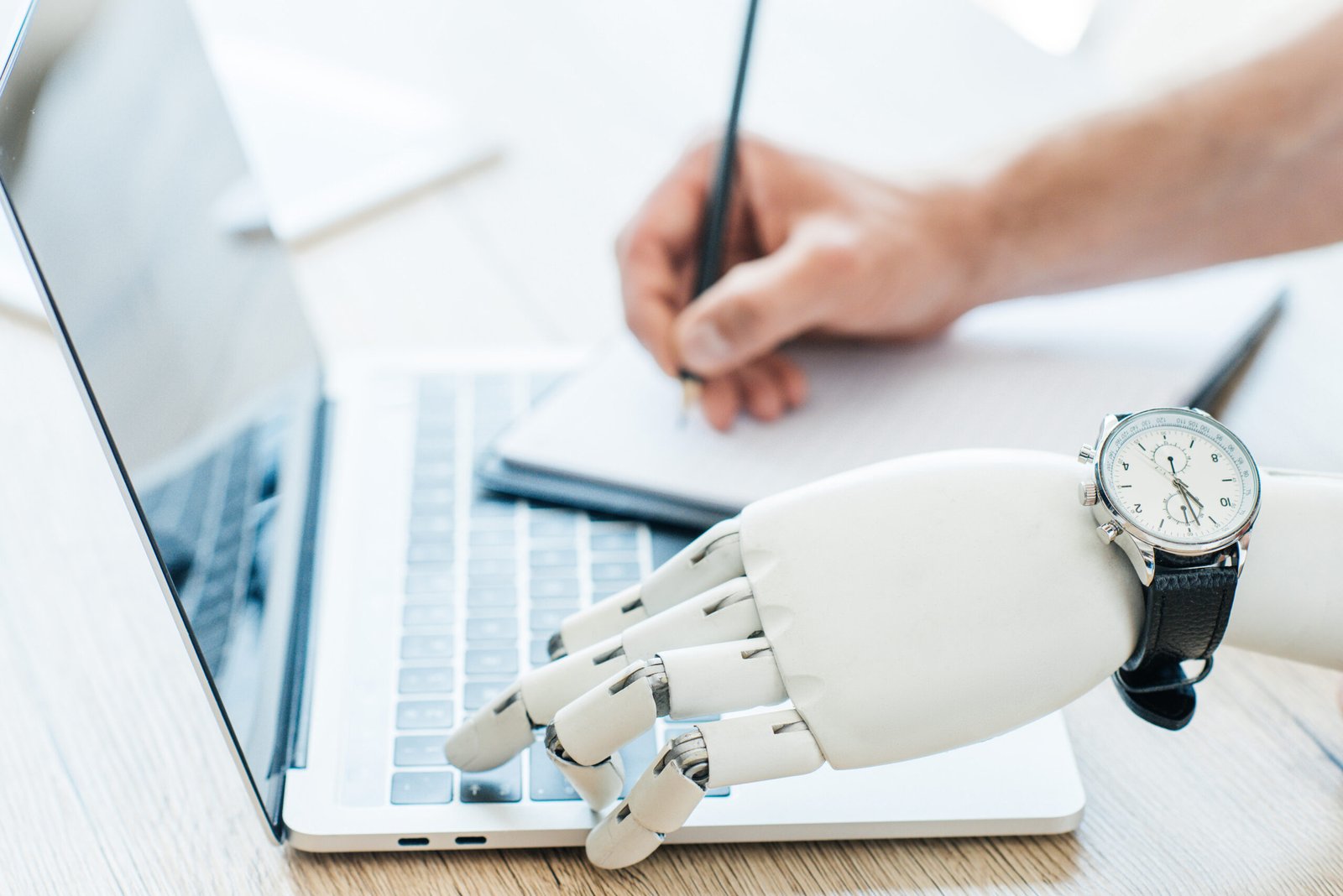
The creative renaissance of the 21st century will not be human versus machine. It will be human with machine. Those who embrace co-creation will unlock possibilities far beyond what either could achieve alone.
AI is fast, precise, and tireless. Humans are imaginative, empathetic, and narrative-driven. Together, we can:
- Push boundaries in visual art, music, writing, and design.
- Democratize access to creative tools.
- Innovate solutions to problems we can’t yet imagine.
The message is clear: The creative industry isn’t closing doors — it’s opening new ones. Your role is to walk through them boldly, armed with your unique vision, amplified by AI.
Conclusion: Embrace the Renaissance
Breaking into the creative industry in the age of AI isn’t about competing with machines. It’s about co-creating with them, learning new skills, and applying timeless human strengths—curiosity, empathy, and storytelling.
As someone deeply passionate about creativity, I encourage you to experiment. Play. Fail. Learn. Your voice, your perspective, your humanity — these are irreplaceable. AI is the brush; you are the painter. Together, you can create a new masterpiece.
The age of co-creation is here. The question is: are you ready to step into it?
Suggested Links & Tools Mentioned:
- MidJourney – AI image generation (midjourney.com)
- DALL·E – AI image creation (openai.com/dall-e)
- Runway – AI video & animation (runwayml.com)
- ChatGPT / OpenAI – AI writing and prompts (chat.openai.com)
- Sudowrite – Writer-focused AI (www.sudowrite.com)
- AIVA – AI music composition (www.aiva.ai)
- Soundful – AI music generation (soundful.com)
- Canva Magic Studio – AI-enhanced design (www.canva.com)