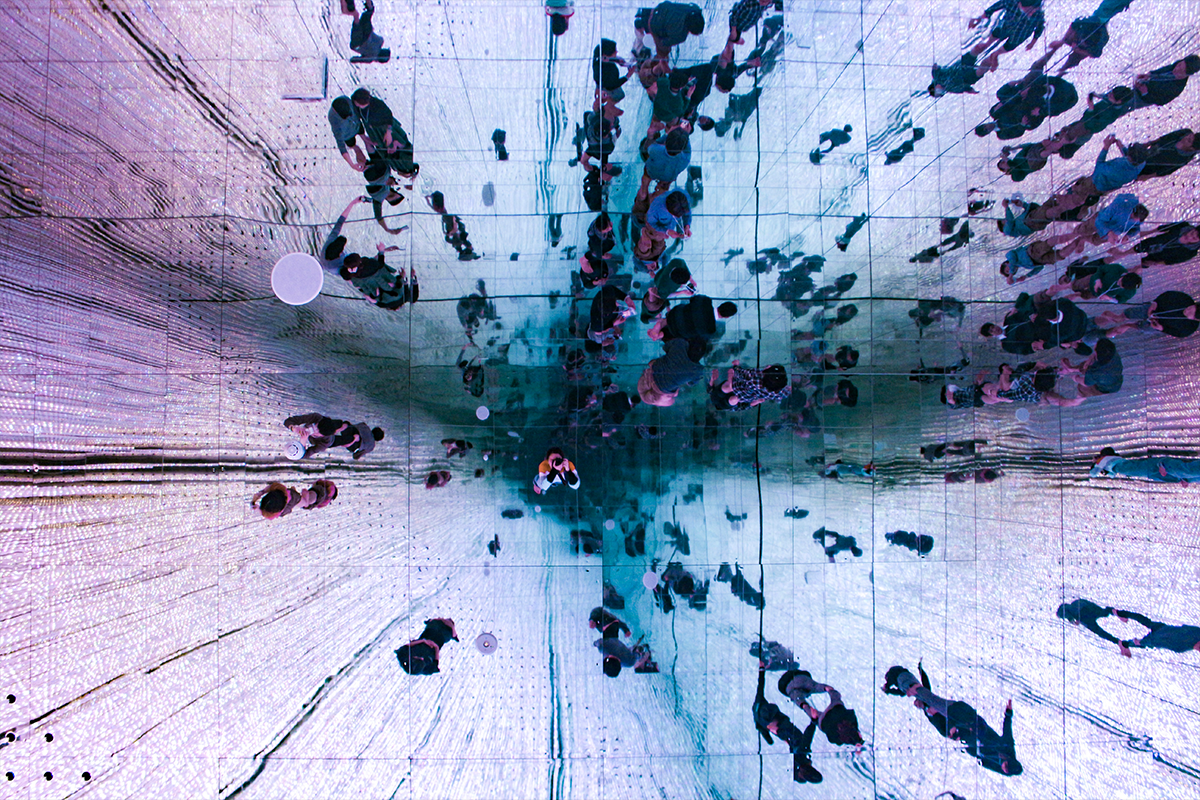
As we look back at the last 11 months of 2025 I am resurfacing the topic of The Matrix, the iconic 1999 film starring Keanu Reeves, because of its renewed relevance in today’s world. With the surge of artificial intelligence, digital surveillance, immersive virtual worlds, and predictive algorithms, many of the questions the movie posed feel eerily close to home. Even films like The Terminator—once dismissed as futuristic science fiction—now echo anxieties about machines making decisions for humanity. But what is reality, truly? And if we are indeed living in a “matrix” of sorts, is it possible to break free?
This article explores what “reality” really means, how The Matrix parallels our current technological age, the psychological and philosophical debates about living in a simulated world, and, most importantly, what we can do—individually and collectively—to stay conscious, autonomous, and free.
The Matrix as Cultural Mirror
When The Matrix was released in 1999, it was groundbreaking. It combined cyberpunk aesthetics with deep philosophical ideas, referencing Plato’s “Allegory of the Cave” and Descartes’ skepticism about the external world. Keanu Reeves’ character, Neo, is offered a choice: take the red pill and see the truth, or take the blue pill and remain in the comfortable illusion.
At the time, the “illusion” was the simulation run by intelligent machines, feeding humans a false sense of life while their bodies powered the AI system. Today, we don’t live in pods (yet), but we do live inside digital systems—social media feeds, personalized ads, algorithmically curated news, and virtual reality platforms that shape our perception of the world. The Matrix wasn’t just a story. It was a warning and a metaphor for how easily reality can be manipulated.
Reality vs. What Feels Real
Philosophers have long debated: is reality what we can touch and measure, or is it simply what our minds perceive? Plato imagined prisoners chained inside a cave, mistaking shadows on the wall for reality. Descartes famously concluded, “I think, therefore I am,” after doubting everything except his own consciousness.
Modern neuroscience shows us that our brains constantly construct reality. Everything we “see” is an interpretation of sensory data, filtered through expectations, memories, and biases. That means reality is always a model, not the thing itself. And when technology intervenes—through VR headsets, deepfakes, AI-generated content—those models can be altered at scale.
In that sense, The Matrix isn’t purely fictional. We are already in a matrix of perception: our digital feeds, echo chambers, and economic systems. The difference is that ours is built by humans and algorithms—not by sentient machines (yet).
AI, Algorithms, and Our Modern “Matrix”
The rise of artificial intelligence has made the parallels to The Matrix starker. Consider:
- Algorithmic Curation: Your social media feed doesn’t just reflect your interests; it shapes them. AI decides what you see, who you engage with, and what you believe about the world. This can polarize societies, erode trust, and manipulate elections—quietly, invisibly.
- Synthetic Reality: AI can now generate realistic text, images, voices, and even deepfake videos. Soon, it will be almost impossible to tell what is “real” content versus AI-created illusions.
- Immersive Virtual Worlds: With VR and AR advancing, entire digital realities are being built. Some tech leaders even call this the “metaverse”—a name straight out of science fiction. People will work, play, and perhaps live inside these worlds for large portions of their lives.
- Predictive Systems: Algorithms now predict your creditworthiness, health risks, potential crime, or career trajectory. In some cases, your future is being shaped before you make conscious choices.
While we’re not literally plugged into machines, the architecture of modern life increasingly feels like an invisible digital grid. The “pods” are our smartphones. The “agents” are AI systems, apps, and corporations, all competing for our attention and data.
Are We in a Simulation?
Beyond the metaphorical “matrix,” some scientists and philosophers take the question literally. In 2003, Nick Bostrom published the “simulation argument,” proposing that if advanced civilizations can create highly realistic simulations of consciousness, it’s statistically likely we are already living in one. Even Elon Musk has said the odds we’re in base reality are “one in billions.”
While there’s no evidence for or against this hypothesis, it’s thought-provoking. If we are in a simulation, how would we know? And what does “breaking free” even mean? In The Matrix, unplugging from the system meant waking up into the “real world.” But if our entire cosmos is simulated, the only reality we know is this one.
The real takeaway may not be whether we’re simulated, but whether we’re living consciously or unconsciously—whether we’re awake to manipulation or sleepwalking through it.
Finding Truth in a Digital Age
If reality is increasingly mediated by algorithms, how do we find truth? Some practical steps:
- Diversify Information Sources: Don’t rely on a single feed or platform. Read across political and cultural perspectives.
- Check for Manipulation: Learn to spot deepfakes, misinformation, and AI-generated content. Tools like NewsGuard or deepfake detectors can help.
- Pause Before Sharing: The “red pill” is sometimes just critical thinking. Slow down and verify before amplifying.
Truth may never be absolute, but we can cultivate discernment—a skill that will matter more and more as illusions become more sophisticated.
Breaking Free: What It Might Mean
In The Matrix, breaking free was dramatic: unplugging from machines, waking up to a dystopian wasteland. In real life, it’s subtler but just as radical:
- Unplugging Regularly: Taking intentional breaks from digital systems—no-phone days, meditation, time in nature—reminds you of physical reality.
- Learning How Systems Work: Understanding algorithms, AI, and data privacy gives you agency. The less you understand, the more easily you’re manipulated.
- Owning Your Attention: In the attention economy, your focus is the product. Practising mindfulness, setting boundaries, and curating your digital environment are acts of freedom.
- Building Community: Isolation amplifies manipulation. Strong, offline communities help anchor reality.
Breaking free doesn’t mean rejecting technology. It means using it consciously, not letting it use you.
Life Imitating Science Fiction
It’s not just The Matrix. Movies like The Terminator (1984), Minority Report (2002), and Her (2013) predicted aspects of our technological future: autonomous weapons, predictive policing, and AI companions. Today, those technologies exist in some form. The line between fiction and reality is blurring because we’re building the very futures we imagined.
That doesn’t have to be dystopian. Science fiction can also inspire better worlds—visions of abundance, cooperation, and ethical AI. But only if we remain awake enough to shape technology intentionally, rather than sleepwalking into it.
How to Live Authentically in a Matrix-Like World
If we accept that our reality is partly constructed—by brains, by culture, by algorithms—then living authentically becomes an art. Some guiding principles:
- Know Yourself: Self-awareness is the ultimate red pill. Meditation, therapy, and reflection help you separate your true values from what’s being sold to you.
- Create, Don’t Just Consume: Making art, writing, coding, volunteering—these are ways to shape reality rather than be shaped by it.
- Stay Curious and Skeptical: Certainty can be a trap. The world is complex; humility keeps you open to truth.
- Engage with the Physical: Touch, movement, nature, human presence—these anchor you in base reality no simulation can replicate.
From Passive to Active Citizens
A society of passive consumers is easy to control. A society of active, critically thinking citizens is harder. Education, digital literacy, and civic engagement are the societal equivalents of the red pill. If we want to avoid dystopia, we need to invest in these skills widely—not just for elites.
Governments, schools, and companies all have roles to play. Tech literacy should be as fundamental as reading and writing. Ethical AI development should be prioritized over mere profit. Transparency in algorithms should be mandated. These are not just policy debates—they’re about who controls reality.
Conclusion: Taking the Red Pill Today
When I watch The Matrix now, it feels less like fiction and more like a documentary of our inner lives. No, we’re not literally batteries for machines. But we are feeding algorithms with our data and attention. We are living inside curated realities. And we are approaching a point where distinguishing truth from illusion may become one of the defining challenges of being human.
Taking the “red pill” today doesn’t mean waking up in a dystopian wasteland. It means waking up in your own life—choosing awareness over comfort, agency over passivity, and reality over illusion. In a world of accelerating AI, immersive virtual worlds, and algorithmic manipulation, that might be the most radical act of all.