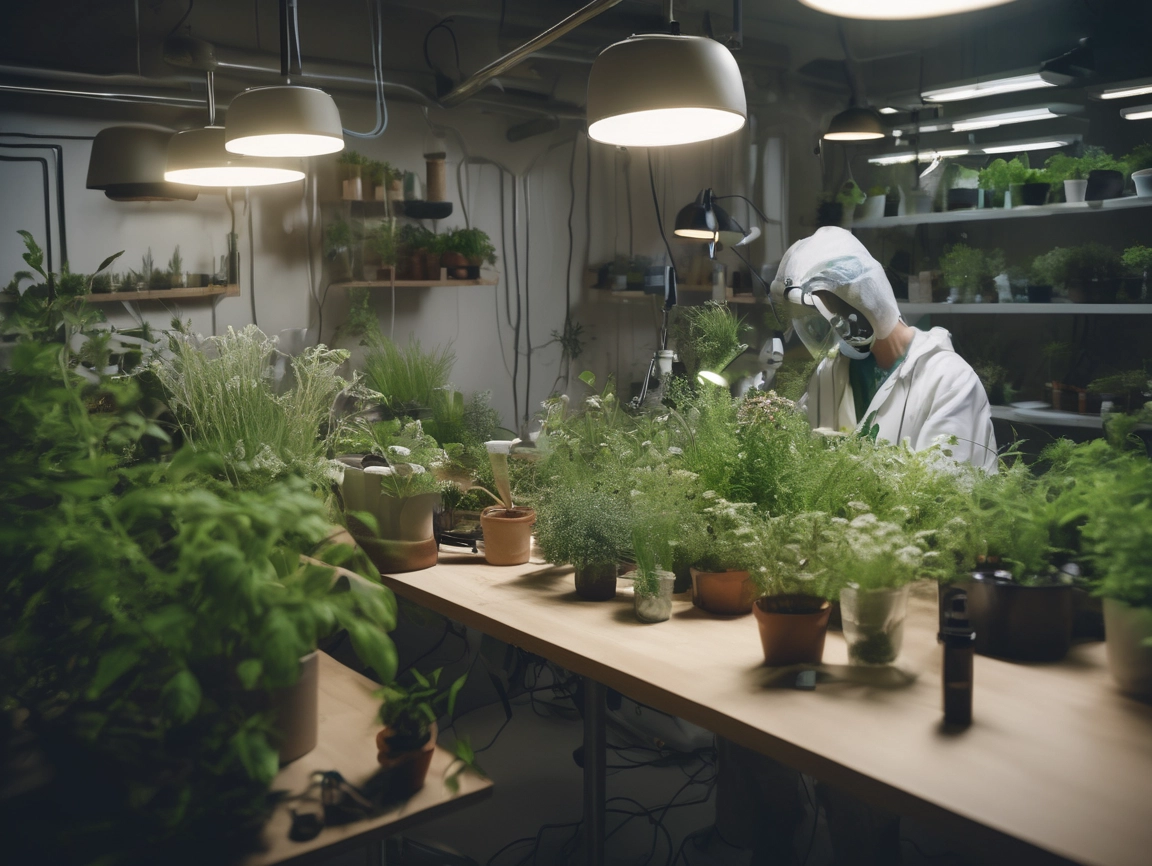
“Biohacking” is a word that can sound at once exhilarating and unnerving. It conjures images of quantified self-enthusiasts tracking sleep with wristbands, of weekend hobbyists tinkering with microbes in community labs, and of headline-grabbing gene edits made with CRISPR in high-tech facilities (and sometimes, frighteningly, in kitchen cupboards). The question “Is nature not enough?” cuts to the cultural nerve: do we need to intervene on life with tools and tech, or can traditional, natural approaches — herbalism, good diet, movement and rest — give us everything we require?
In this article I’ll explain what biohacking is and how far it’s grown, draw the distinction between herbalism and modern genetic innovation, describe reliable herbal practices and common biohacks, and explore the most exciting innovations (and the most serious dangers). I’ll close by looking at CRISPR, where it fits with commercial pharma, and what that may mean for the future of health.
What is biohacking?
According to Merriam-Webster Biohacking is an umbrella term for a wide range of activities aimed at changing or optimising biology, typically human biology, with the goal of improving health, performance, longevity or appearance. Definitions vary from lifestyle-oriented tweaks (sleep hygiene, diet, supplements, intermittent fasting, cold exposure) to more experimental interventions (DIY biology, implanted devices, gene editing). The Merriam-Webster definition captures this breadth: biological experimentation — from gene editing to drugs and implants — often by individuals or groups outside traditional scientific institutions.
Two broad strands are helpful to keep in mind. First, the low-tech, behavioural biohacks — diet, exercise, sleep, circadian hygiene, meditation, wearables and carefully chosen supplements. These are the “quantified self” practices that many clinicians would recognise and, in many cases, endorse when evidence supports them. Second, the wet-lab or high-tech biohacks — activities in community biology labs, gene editing experiments, DIY genetic modifications, experimental microbiome transplants and implanted electronics. These are far more complex, often legally and ethically fraught, and can move from benign curiosity to real biological risk. The do-it-yourself biology movement helped popularise access to affordable lab equipment and community labs in the 2000s, turning a fringe hobby into an international movement.
How far has biohacking grown?
In the past decade biohacking has grown from niche internet subcultures and local “hackerspaces” into a visible global movement with multiple strands: start-ups building consumer devices (continuous glucose monitors, advanced sleep trackers, nootropic supplements), community biology labs (Genspace, BioCurious and others), and commercial biotech firms turning gene editing into therapies. Wearable tech and health-optimisation content on social platforms have normalised many behavioural biohacks; at the same time, academic and corporate investments in gene editing and cell therapies have pushed lab-scale techniques into clinical trials and, in a few cases, approved treatments.
A few concrete milestones are worth noting. The first CRISPR-based therapies reached clinical approval in the early 2020s (for example Casgevy for certain blood disorders), signalling that gene editing had moved from laboratory promise to real therapeutics — albeit currently in highly specialised, hospital-based settings. Coverage and investment in gene-editing start-ups and acquisitions by major pharmas continued through 2024–2025. On the consumer side, continuous health monitoring, personalised nutrition start-ups, and a booming supplements market have normalised many “biohacks” in everyday life. Innovative Genomics Institute (IGI)+1
Herbalism vs genetic innovation — apples and geriatric apples?
Herbalism and genetic innovation both seek to improve health, but they operate on different levels and come with different histories, rules of evidence and risk profiles.
Herbalism is ancient. Humans have used plants for medicine for millennia; many modern pharmaceuticals were originally derived from plants. Herbal practices range from traditional whole-plant remedies (infusions, tinctures) guided by folk knowledge and practical experience, to standardised botanical extracts tested in modern clinical trials. Evidence for herbal remedies is highly variable: some herbs (for example guided use of ginger for nausea, certain uses of turmeric/curcumin, or garlic for modest cardiovascular effects) have reasonable clinical evidence in specific contexts; others are supported mainly by tradition or small studies. Herbal products can be both helpful and harmful — interactions with prescription drugs, contamination, dosing variability and adulteration are real concerns. Robust clinical oversight and standardisation remain the difference between safe, useful herbal practice and hazardous self-medication. PMC+1
Genetic innovation — gene editing, gene therapy and synthetic biology — is much newer. It manipulates biological function at the level of DNA and cells. The promise is enormous (curing inherited diseases, reprogramming immune cells to fight cancer, lowering lifetime risk of heart disease with a single edit), but so are the ethical, regulatory and safety complexities. Genetic interventions require controlled laboratory and clinical environments, sophisticated manufacturing, and regulatory oversight. They often involve irreversible changes or profound, systemic effects that demand rigorous trials before widespread use.
So: herbalism is primarily about working with nature (using complex plant chemistries humans have co-evolved with), while genetic innovation is about reconfiguring nature at a molecular level. One is conservatively applied with centuries of folk knowledge (but variable quality evidence); the other is tightly technical, highly promising, and highly consequential.
Reliable herbal practices — what still stands up?
When it comes to “reliable” herbal practices, the caveat is always “for what purpose?” Evidence tends to be context-specific. A few examples where the evidence is reasonably supportive:
- Ginger — widely used for nausea (pregnancy-related, postoperative, chemotherapy-related) with consistent evidence of moderate benefit.
- Turmeric/curcumin — has anti-inflammatory properties and some evidence in osteoarthritis and certain inflammatory markers; bioavailability and formulation matter.
- Garlic — modest effects on cholesterol and blood pressure have been observed in some trials.
- Echinacea and elderberry — commonly used for colds and upper respiratory support; some studies suggest reduced symptom duration/severity but findings are mixed and product variability is high.
- Peppermint oil — useful for irritable bowel syndrome symptoms in certain formulations.
Importantly, modern herbal practice emphasises standardised extracts with clear dosing, supplier quality control, and checking for drug–herb interactions (for example St John’s wort and many prescription drugs). For many people, herbs function best as adjuncts in a broader lifestyle approach: sleep, diet, exercise and stress reduction remain foundational. For safety, always consult a clinician if you’re pregnant, immunocompromised, elderly, on multiple medications, or planning surgery.
Common biohacking practices — from low to high risk
Biohacking covers a spectrum:
Lower-risk, mainstream biohacks
- Sleep optimisation (consistent sleep schedule, light exposure management).
- Nutrition strategies (Mediterranean diet, intermittent fasting, macronutrient tweaks).
- Tracking physiological data (continuous glucose monitors (CGMs) for metabolic insight, heart-rate variability tracking).
- Strength training, cold exposure, breathwork, meditation and blue-light management.
Moderate-risk interventions
- Self-administered supplements and nootropics — effectiveness varies and safety depends on sourcing, dosing, and interactions.
- Off-label use of certain medications (e.g. low-dose naltrexone, metformin) — this is controversial and should be overseen by a physician.
- DIY microbiome interventions (home probiotic cocktails, faecal microbiota transplants are highly risky to attempt outside clinical settings).
High-risk biohacks
- Genetic modifications or attempts to self-administer CRISPR reagents.
- Unregulated stem-cell treatments and unproven “regenerative” injections.
- Improperly sterilised at-home lab work that risks contamination or biological harm.
Many “biohacks” that look cool on social media are unsupported by robust trials. Equally, some measures that are evidence based (exercise, sleep, smoking cessation) are often ignored in favour of quick technological fixes, a tendency that biohacking culture sometimes amplifies.
Innovations: what’s exciting?
Several innovations are genuinely transformative:
- Gene editing therapies — CRISPR-based treatments for genetic blood disorders, inherited retinal diseases and ex vivo edits in immune cells are now in clinical use or late-stage trials. These approaches offer the possibility of curative treatments for conditions that previously needed lifelong management. Innovative Genomics Institute (IGI)+1
- Precision medicine and diagnostics — rapid sequencing, richer biomarker panels and real-time monitoring enable earlier intervention and customisation of therapies.
- Synthetic biology — engineered microbes for therapeutic delivery, biosensors, and bio-manufactured materials are expanding the toolkit beyond human cells.
- Wearables and digital therapeutics — devices that provide actionable data and apps that deliver validated behavioural interventions are moving into regulated healthcare pathways.
These advances could reduce suffering and personalise care — but they also shift power and responsibility: who controls the data, who benefits financially, and who bears the risk?
Dangers — from hype to real harm
Biohacking’s dangers range from personal harm to systemic risk:
- Individual medical harm: improper dosing of supplements or off-label drugs, unsafe self-experiments, and unapproved procedures can cause organ damage, allergic reactions, or unexpected drug interactions. Herbal products are not always benign; they can cause serious adverse events when poorly standardised or combined with pharmaceuticals.
- DIY gene editing: the idea of amateurs attempting CRISPR edits at home is alarming. Mistakes could create onsite contamination or generate organisms with unpredictable properties. Even if the immediate risk seems low, normalising amateur manipulation of genomes raises governance and ethical concerns.
- Commercial exploitation: the supplements and “biohacking” consumer market is lucrative. Firms may sell unproven, poorly regulated products with overstated claims — consumers pay and sometimes get harmed.
- Equity and access: high-cost gene therapies and personalised interventions could widen health inequalities if only a wealthy few can access curative treatments.
- Dual-use and biosecurity: increasing accessibility of biological tools raises bioterrorism concerns and the need for global governance and biosafety infrastructure. Experts argue for coordinated mitigation as the technology diffuses.
CRISPR, pharma and the future of health
CRISPR is a set of molecular tools that allow precise edits to DNA. In therapeutic contexts, it is being used in two principal ways: ex vivo editing (cells removed from the patient, edited in the lab, then returned) and in vivo editing (the edit occurs inside the patient’s body). The clinical successes — such as CRISPR-based treatments for sickle cell disease and beta-thalassemia — have established proof-of-principle that gene editing can cure certain genetic diseases. But the rollout has been complex: manufacturing, patient preparation, long follow-up, cost and uneven access have limited rapid uptake.
Where does commercial pharma fit in? Big pharmaceutical companies bring the regulatory expertise, manufacturing scale and capital required to take gene editing from lab to clinic. Recent acquisitions and deals show large pharmas are integrating gene editing into pipelines — a pragmatic move given the science’s promise. However, that commercial involvement shapes priorities: therapies with clear regulatory pathways and profitable patient populations will attract investment first, while rarer or socially complex indications may lag. The relationship is therefore both enabling (bringing treatments to patients) and gatekeeping (determining who and what is prioritised).
A long-term concern is the commercialisation of human enhancement. While current CRISPR therapeutics target disease, the logic of enhancement (longer life, cognitive modulation, risk reduction for common diseases via germline edits) will present difficult societal choices. Regulators, ethicists and publics must decide where lines are drawn. The governance challenge is enormous: gene editing’s potential benefits sit alongside risks of inequality, unintended consequences and misuse.
So — is nature not enough?
Short answer: for most people and most health goals, nature — sensible diet, adequate sleep, movement, community, and some well-chosen herbal support — is an exceptionally powerful set of tools. Many of the most impactful health gains (stop smoking, improve diet, treat hypertension) come from well-established, low-tech interventions. Biohacking’s low-risk practices can support these foundations — tracking sleep can uncover problems, a CGM can reveal dietary effects, and certain herbs can offer symptomatic relief.
But nature has limits when it comes to inherited genetic disorders, complex refractory diseases, and certain catastrophic conditions. For those problems, genetic innovation and biotechnologies offer genuinely transformative potential. The right choice depends on the problem being solved and the evidence available. Herbalism and lifestyle interventions are not mutually exclusive with biotechnological advances; they can coexist, complement and inform one another.
What we must insist on is prudence: evidence, regulation, transparency, and ethical debate. Low-risk biohacks can be adopted sensibly; higher-risk interventions need clinical oversight and societal governance. Democratizing biotechnology for the sake of innovation is valuable, but it must be coupled with biosafety, education, and robust regulation to avoid harm.
Practical takeaways
- Start with foundations: sleep, diet, movement and psychosocial wellbeing are the most reliable “biohacks.”
- Use herbs wisely: choose standardised products, check interactions, and consult a clinician for complex cases. Herbs can support health but are not a cure-all especially when combined with inorganic substances and lifestyles.
- Treat high-tech interventions cautiously: anything involving gene editing, stem cells, or invasive procedures should be left to regulated clinical settings. DIY attempts are dangerous and unethical.
- Question claims: the commercial market will always overpromise. Look for peer-reviewed evidence and regulatory approvals.
- Follow governance debates: as CRISPR and synthetic biology mature, public policy and global governance will shape who benefits and how risks are managed. Engage with these debates as citizens, not just consumers.
Final thought
Biohacking is a mirror: it reflects our desire to be fitter, sharper and more resilient, and it magnifies our choices about technology, nature and society. For many everyday purposes, nature — stewarded well — is not only “enough” but superior in safety and accessibility. For a subset of medical problems, however, genetic and biotechnical innovations are rewriting what’s possible. The future we should seek is not one of choice between nature or tech, but a better, ethical synthesis: respectful of traditional knowledge, rigorous about evidence, and wise about the societal consequences of changing life itself.